
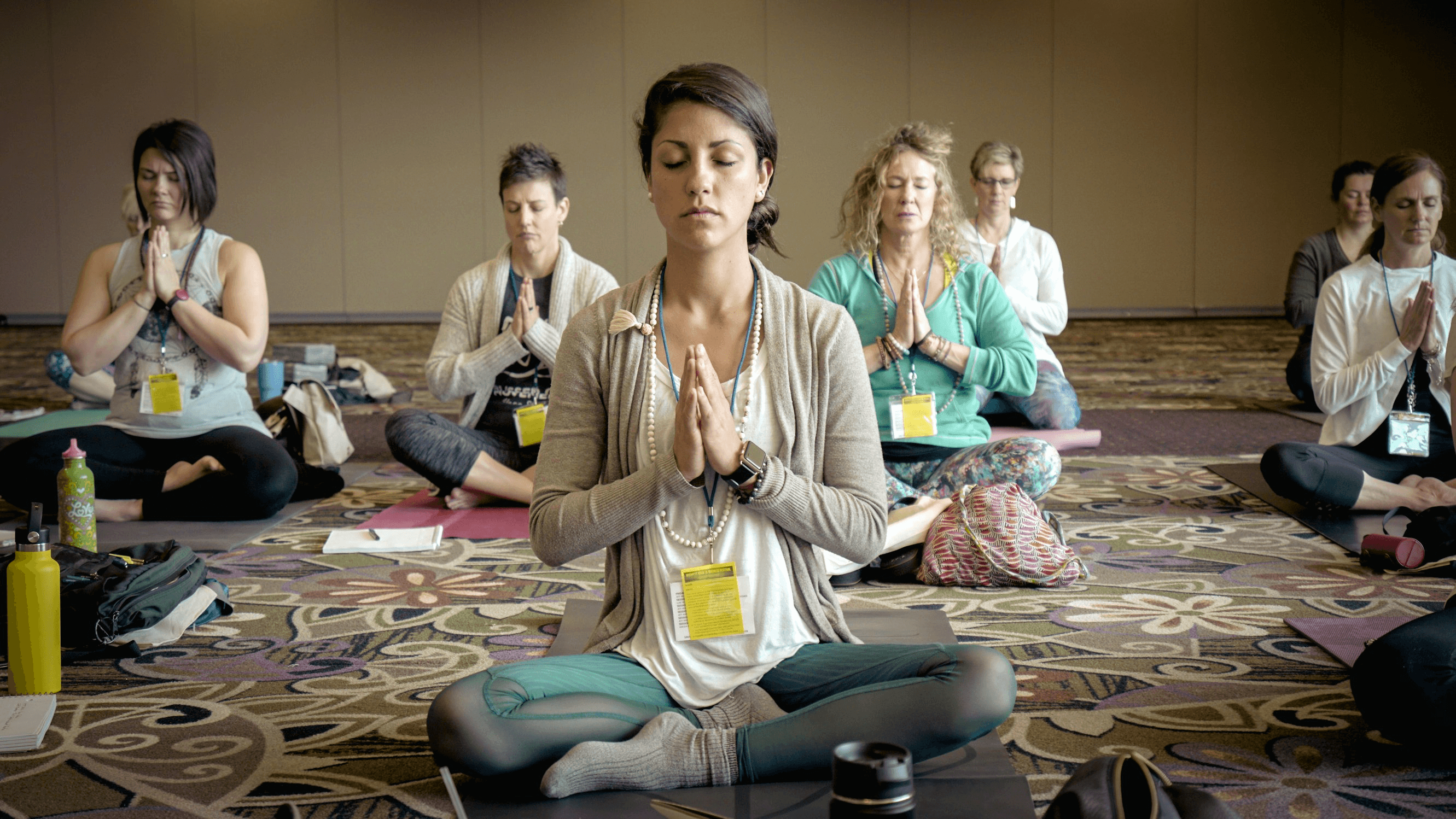
Meditation Therapy Services for Mindfulness and Relaxation Support
Explore provider-led meditation therapy services for mindfulness, guided meditation, breathwork, relaxation, emotional balance, focus, and calmer daily routines. Find services through the Yangseed Service Store based on your goals, preferences, schedule, and preferred session format.
Find Meditation Therapist Services
Browse meditation therapist services based on your wellness goals, preferred session format, provider focus, availability, and level of support needed.
Meditation Therapy
1 item

What Meditation Therapy Services Can Help With
Meditation therapy services can help users explore mindfulness, guided meditation, breath awareness, relaxation techniques, emotional self-awareness, focus, and calmer daily routines through provider-led sessions.
A meditation therapist may guide users through structured practices based on their comfort level, experience, wellness goals, and preferred pace. The focus is often on helping users build a more intentional relationship with their thoughts, emotions, breathing patterns, and everyday stress responses.
Common areas of meditation therapy support
Mindfulness and self-awareness — Meditation therapy can help users become more aware of their thoughts, emotions, breathing, and present-moment experiences. This can support a more reflective and intentional approach to daily life.
Stress and relaxation support — Some meditation therapy services may include guided relaxation, breathing practices, grounding exercises, and mindfulness techniques that support calmer routines.
Breathwork and grounding — Breathwork-based meditation may help users practice steady breathing, body awareness, and grounding techniques during sessions and daily routines.
Focus and mental clarity — Meditation sessions may support users who want to build more intentional attention, reduce everyday distraction, and create space for clearer thinking.
Emotional balance support — Meditation therapy may help users explore emotional awareness, reflection, and healthier responses to everyday stressors through guided practice.
Beginner-friendly meditation support — Meditation therapy can be useful for users who are new to meditation, find it difficult to practice alone, or want step-by-step guidance from a provider.
Important note
Meditation therapy services are not a substitute for medical or mental health care. Users with clinical concerns should consult a qualified healthcare or mental health professional.
Explore Meditation Therapy Services by Goal
Meditation therapy services can support different wellness goals depending on what users want to practice or improve. Some users may want guided support for relaxation, while others may be looking for mindfulness, breathwork, emotional awareness, focus, or beginner-friendly meditation guidance.
Yangseed helps users explore meditation therapy services based on their goals, preferred format, provider approach, and comfort level. Users looking for broader provider-led wellness support can also explore other services through the Yangseed Service Store.
Explore services by wellness goal
Guided Meditation Sessions
Guided meditation sessions give users provider-led support through structured meditation practices. These sessions may focus on relaxation, breathing, mindfulness, body awareness, or emotional reflection.
Mindfulness Meditation Support
Mindfulness meditation support can help users practice present-moment awareness, self-observation, and a calmer relationship with thoughts and emotions.
Meditation Therapy for Stress Support
Meditation therapy for stress support may include guided relaxation, breathwork, grounding techniques, calming practices, and mindfulness exercises that support more peaceful daily routines.
Breathwork Meditation Sessions
Breathwork meditation sessions focus on breathing techniques that may support relaxation, presence, grounding, and body-mind connection.
Meditation for Beginners
Beginner-friendly meditation services can help users learn how to start meditating with step-by-step guidance, simple techniques, and a supportive pace.
Group Meditation Sessions
Group meditation sessions allow users to practice in a shared environment with provider-led guidance. Users who enjoy community-based wellness support may also explore the Yangseed Community for discussions, challenges, and ongoing encouragement.
Users who want broader lifestyle support alongside meditation therapy may also explore Health Coach services.
Meditation Therapist vs Meditation Teacher vs Mental Health Therapist: What's the Difference?
Users may come across different types of support when exploring meditation, mindfulness, and emotional wellness services. A meditation therapist, meditation teacher, and mental health therapist may all support wellbeing in different ways, but their focus and scope are not the same.
Understanding the difference can help users choose the right service based on their goals, comfort level, and support needs.
Comparison Point | Meditation Therapist | Meditation Teacher | Mental Health Therapist |
|---|---|---|---|
Main focus | Guided meditation, mindfulness, relaxation, emotional awareness, and wellness support | Teaching meditation techniques, practice methods, and class-based guidance | Mental health diagnosis, therapy, treatment, and clinical emotional support |
Common support areas | Stress support, breath awareness, relaxation, focus, emotional reflection, mindfulness routines | Meditation practice, breathing techniques, beginner instruction, group classes | Anxiety, depression, trauma, emotional distress, behavioral therapy, mental health conditions |
Service style | Personalized or guided meditation-based support | Instruction-led classes or meditation practice sessions | Clinical therapy sessions and treatment planning |
Best for | Users seeking guided mindfulness and relaxation support | Users learning meditation as a practice | Users needing licensed mental health care |
What to check | Training, meditation approach, experience, session format, and scope | Teaching background, meditation style, class level, and experience | Licensure, credentials, specialization, and clinical scope |
A meditation therapist may be a good fit for users who want guided mindfulness, relaxation, breathwork, and emotional awareness support. Users with mental health concerns or clinical support needs should work with a licensed mental health professional where appropriate.
Meditation therapy services should not replace medical care, mental health therapy, diagnosis, or treatment.
How to Choose a Meditation Therapy Service
Choosing a meditation therapy service becomes easier when users understand their goals, the provider's background, and the type of session being offered. The right service should feel calm, supportive, realistic, and aligned with the user's comfort level.
What to check before choosing a meditation therapist
Start with your goal — Decide whether you want support for mindfulness, relaxation, stress support, emotional awareness, focus, breathwork, sleep routine support, or beginner-friendly meditation.
Review the provider's background — Check the meditation therapist's training, certifications, experience, areas of focus, meditation approach, and service style before choosing.
Understand the session format — Review whether the service is online, in-person, one-on-one, group-based, one-time, recurring, or part of a structured meditation program.
Check what is included — Look for details such as session duration, guided meditation, breathwork, mindfulness exercises, reflection time, home practice suggestions, follow-up notes, or preparation instructions.
Consider comfort and practice style — Choose a service that matches your experience level and preferred style. Some users may prefer guided meditation, while others may prefer breathwork, mindfulness, silent practice, relaxation-based sessions, or group meditation.
Know when clinical support is needed — Meditation therapy is not a substitute for medical care, mental health therapy, diagnosis, or treatment. Users with mental health concerns, trauma history, panic symptoms, severe anxiety, depression, or clinical support needs should consult a licensed mental health professional or qualified healthcare provider.
Users who want ongoing wellness learning, discussions, and challenges alongside meditation therapy may also explore Yangseed Membership or the Yangseed Community.
Types of Meditation Therapy Services You Can Explore
Meditation therapy services can be offered in different formats depending on the user's goals, experience level, comfort, and preferred way of practicing. Some users may prefer private guided sessions, while others may feel more comfortable with group meditation, online sessions, breathwork-based support, or structured meditation programs.
Understanding the different service types can help users choose meditation support that fits their lifestyle, schedule, and wellness needs.
Common meditation therapy service types
1-on-1 Meditation Therapy
One-on-one meditation therapy gives users dedicated time with a provider to explore mindfulness, breathing practices, relaxation, emotional awareness, and personal meditation goals. This format may be helpful for users who want personalized guidance and a quieter, more focused session experience.
Online Meditation Therapy
Online meditation therapy allows users to connect with a meditation provider through video sessions, phone calls, or digital programs. This can be useful for users who prefer practicing from home, have busy schedules, or want flexible access to guided meditation support.
In-Person Meditation Therapy
In-person meditation therapy may take place in a wellness center, studio, clinic, or private setting. This format may be useful for users who prefer face-to-face guidance, a dedicated meditation environment, or direct provider interaction.
Guided Meditation Sessions
Guided meditation sessions are provider-led practices that help users follow structured relaxation, mindfulness, focus, or breath awareness techniques. This format is often helpful for beginners or users who find it difficult to meditate alone.
Breathwork and Meditation Sessions
Breathwork and meditation sessions focus on breathing practices, grounding, relaxation, body awareness, and mindful presence. These sessions may be useful for users who want a more body-connected or breath-focused approach to meditation.
Group Meditation Sessions
Group meditation sessions allow users to practice with others in a shared setting. These may include guided mindfulness, relaxation, breathwork, or beginner-friendly meditation practices. Users who enjoy shared wellness support may also explore the Yangseed Community for discussions, challenges, and ongoing encouragement.
Meditation Therapy Support for Different Wellness Needs
People explore meditation therapy services for different reasons. Some users may want help building a meditation habit, while others may be looking for support with relaxation, mindfulness, focus, emotional awareness, or a calmer daily routine.
Meditation therapy should feel supportive, practical, and aligned with the user's comfort level. The goal is to help users build practices they can understand, follow, and apply consistently.
Explore support by need
Stress and Relaxation
Meditation therapy may support calmer routines through guided meditation, breathwork, body awareness, grounding, and relaxation practices. This can be useful for users who want to create more intentional pauses during the day and develop a steadier wellness routine.
Mindfulness and Self-Awareness
Mindfulness-based meditation support may help users become more aware of thoughts, emotions, breathing patterns, and present-moment experiences. This type of support can help users practice observation, reflection, and more intentional responses to everyday situations.
Focus and Attention
Meditation practices may support users who want to build more intentional attention, reduce everyday distraction, and create more mental space during work, study, or daily routines. The focus is usually on practicing awareness and consistency rather than forcing the mind to be completely silent.
Emotional Wellness Support
Meditation therapy may help users explore emotional awareness, reflection, grounding, and healthier responses to daily stressors. Users with clinical mental health concerns should work with a licensed mental health professional where appropriate.
Sleep Routine Support
Some meditation therapy services may include relaxation practices, breathing techniques, or wind-down routines that support a calmer evening routine. Meditation therapy should not replace medical care for sleep disorders or ongoing health concerns.
General Wellness and Lifestyle Support
Meditation therapy can become part of a broader wellness routine alongside Health Coach services, Yoga Therapy services, Nutritionist services, or other provider-led services in the Yangseed Service Store. Users looking for ongoing wellness learning and community-based support may also explore Yangseed Membership or the Yangseed Community.
Online vs In-Person Meditation Therapy Services
Meditation therapy services may be available online, in person, or through a hybrid format. The best option depends on the user's goals, schedule, comfort level, privacy needs, location, and preferred way of connecting with a provider.
Both online and in-person meditation therapy can be useful when the provider's approach and session format match the user's needs.
Comparison Point | Online Meditation Therapy Services | In-Person Meditation Therapy Services |
|---|---|---|
Convenience | Can be accessed from home or any quiet space | Requires visiting a studio, wellness center, clinic, or provider location |
Best for | Busy schedules, remote access, home practice, and follow-up sessions | Users who prefer face-to-face guidance and a dedicated meditation environment |
Session format | Video calls, guided meditation, breathwork, digital resources, or home practice guidance | In-person sessions, guided practice, breathwork, relaxation techniques, or direct provider support |
Flexibility | Often easier to schedule around work, travel, or family routines | Depends on provider location, travel time, and appointment availability |
Space needed | Requires a quiet and comfortable space with minimal distractions | Space and setup are usually provided by the service location |
What to check | Technology setup, privacy, communication method, session length, provider background, and follow-up access | Location, accessibility, travel time, session setup, session length, and provider background |
Users who want flexibility may prefer online meditation therapy, while users who value a dedicated setting may prefer in-person sessions. The right format is the one that feels comfortable, realistic, and easier to continue.
How Meditation Therapy Services Usually Work
Meditation therapy services can vary depending on the provider, session format, user goals, and level of support needed. Some services may be offered as one-time guided sessions, while others may include ongoing meditation support, breathwork, mindfulness practices, home practice suggestions, or structured programs.
Understanding the usual process can help users know what to expect before choosing a meditation therapy service.
Step 1: Explore available meditation therapy services
Start by browsing meditation therapy services based on your goals, preferred format, provider focus, pricing, availability, and comfort level. You may compare services for guided meditation, mindfulness meditation, breathwork meditation, relaxation support, emotional wellness support, focus, beginner meditation, or group meditation.
Step 2: Review the service details
Before choosing a service, review how the session works and what is included. Look for details such as:
Provider background
Meditation approach
Session format
Session duration
Pricing
Online or in-person availability
Level of personalization
Follow-up support
Preparation requirements
This helps users understand whether the service fits their goals, experience level, and preferred practice style.
Step 3: Choose a session or program
Select the meditation therapy service that matches your current needs, schedule, and comfort level. Some users may choose a single guided meditation session to get started, while others may prefer recurring sessions or a structured meditation program for ongoing support.
Step 4: Complete booking or purchase
Once you choose a service, complete the booking or purchase through the Yangseed platform where available. After confirmation, your booking details or service request may be shared with the provider so they can prepare for the session.
Step 5: Receive provider instructions
The meditation therapist may share next steps before the session. This may include:
Session link or location details
Intake questions
Preparation notes
Quiet space suggestions
Breathing or reflection prompts
Home practice guidance
Follow-up details
Users should review these instructions carefully so they feel more prepared and comfortable before attending.
Step 6: Attend the session and continue the practice
During the session, the provider may guide meditation, breathwork, mindfulness, relaxation, reflection, or grounding practices based on the service format. After the session, users may receive simple home practice suggestions, journaling prompts, breathing exercises, or follow-up guidance depending on the provider and service type.
Users who want broader wellness learning, community support, and ongoing motivation may also explore Yangseed Membership or the Yangseed Community alongside meditation therapy.
FAQs About Meditation Therapy Services
What does a meditation therapist do?
A meditation therapist guides users through meditation-based practices such as mindfulness, breathwork, relaxation, reflection, focus, grounding, and emotional awareness support. Sessions may be personalized based on the user's goals, comfort level, and experience.
What meditation therapy services can I find on Yangseed?
Yangseed may feature guided meditation sessions, online meditation therapy, in-person meditation therapy, mindfulness meditation, breathwork meditation, beginner-friendly meditation, group meditation sessions, and relaxation-focused services.
How is meditation therapy different from a regular meditation class?
A regular meditation class often follows a general format for a group. Meditation therapy may be more personalized and may focus on the user's specific goals, comfort level, emotional awareness, relaxation needs, or practice challenges.
What is the difference between a meditation therapist and a meditation teacher?
A meditation teacher usually focuses on teaching meditation techniques and guiding practice. A meditation therapist may offer more personalized meditation-based support for mindfulness, relaxation, breath awareness, focus, and emotional wellness routines.
Can meditation therapy help with stress support?
Meditation therapy may support stress-related wellness routines through guided relaxation, breathwork, grounding practices, mindfulness, and calmer daily habits. It should not replace medical or mental health care when professional support is needed.
Can meditation therapy help with focus and mindfulness?
Meditation therapy may help users practice attention, present-moment awareness, breath awareness, and mental clarity. The goal is usually to build a more consistent and intentional mindfulness practice over time.
Are online meditation therapy services available?
Yes. Some meditation therapy services may be offered online through video sessions, phone calls, digital programs, guided audio, or virtual follow-up support.
What should I expect in a meditation therapy session?
A meditation therapy session may include a discussion of your goals, comfort level, current practice, stress patterns, breathing habits, and preferred style. The provider may guide meditation, breathwork, relaxation, reflection, or mindfulness practices depending on the service.
How should I prepare for a meditation therapy session?
You can prepare by reviewing the provider's instructions, choosing a quiet space if the session is online, wearing comfortable clothing, noting your goals, and sharing any concerns or preferences with the provider.
Is meditation therapy beginner-friendly?
Yes. Many meditation therapy services are beginner-friendly because they provide guided support, simple techniques, and a slower approach for users who are new to meditation or find it difficult to practice alone.
Do meditation therapy services replace mental health therapy?
No. Meditation therapy services should not replace mental health therapy, medical care, diagnosis, or treatment. Users with mental health concerns, trauma history, panic symptoms, severe anxiety, depression, or clinical support needs should consult a licensed mental health professional or qualified healthcare provider.
Are meditation therapy services personalized?
Many meditation therapy services are personalized based on user goals, comfort level, experience, preferred practice style, and session format. Users should review service details to understand the level of personalization included.
How often should I meet with a meditation therapist?
The frequency depends on your goals, provider recommendation, comfort level, and service format. Some users may start with one session, while others may prefer weekly, biweekly, or structured program-based support.
Can meditation therapy be combined with yoga therapy or health coaching?
Yes. Depending on your goals, meditation therapy can be part of a broader wellness routine alongside Yoga Therapy services, Health Coach services, Nutritionist services, Yangseed Membership, or the Yangseed Community.
Can I use meditation therapy with other Yangseed services?
Yes. Users can explore meditation therapy along with other provider-led services in the Yangseed Service Store, depending on their wellness goals and preferred support style.