
Home
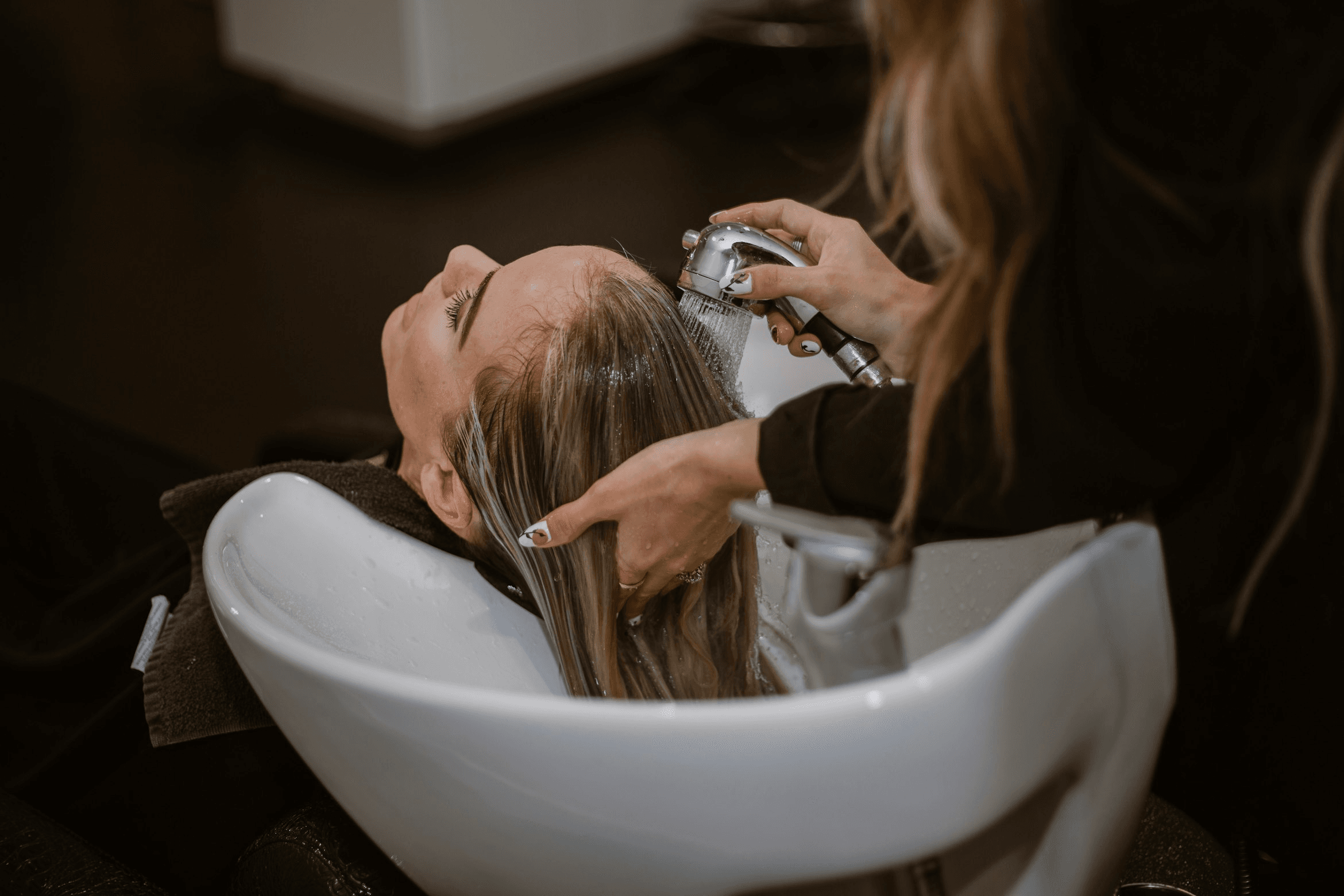
Hair Care Products for Healthier Everyday Routines
Explore hair care products designed for cleansing, conditioning, scalp care, nourishment, styling, and everyday hair routines. Yangseed helps you discover hair care products with clearer ingredient information, natural and organic options where available, and better context before you choose.
Shop Hair Care Products
Browse hair care products for daily washing, conditioning, scalp care, hair oiling, styling, deep care, and routine maintenance.
Hair Care
0 items
Sort By
Clear All Filters
No products found.
Try adjusting filters or search.
How Different Hair Care Products Support Your Routine
A good hair care routine usually includes products that serve different purposes. Some products help cleanse the hair and scalp, while others support softness, moisture, nourishment, styling, or deeper care. Understanding how each product works can make it easier to choose what fits your hair type, scalp needs, and everyday routine.
Common hair care product roles
Shampoo for cleansing
Shampoo helps remove dirt, oil, sweat, buildup, and product residue from the hair and scalp. Users may choose shampoo based on scalp needs, hair type, wash frequency, and ingredient preferences such as natural, sulfate-free, or fragrance-free options.
Conditioner for softness and manageability
Conditioner helps improve the feel, softness, smoothness, and manageability of hair after cleansing. Some users prefer lightweight conditioners, while others look for richer formulas for dry, curly, thick, or textured hair.
Hair oils for nourishment and shine
Hair oils are often used before washing, after styling, or as part of scalp and hair nourishment routines. Users may compare oils based on texture, ingredient source, hair type, scalp preference, and whether the product is intended for pre-wash, leave-in, or finishing use.
Hair styling products for shape and finish
Styling products such as creams, gels, mousse, sprays, and serums help define, smooth, hold, or finish hairstyles. The right styling product often depends on hair type, desired hold, frizz control, texture, and how easily the product washes out.
Hair treatments for deeper care
Hair treatments include masks, deep conditioners, scalp treatments, repair-focused products, clarifying products, and targeted formulas used weekly or as needed. These products are often chosen based on dryness, buildup, breakage, scalp comfort, or specific routine needs.
Choosing the right mix of hair care products can help you build a routine that feels practical, easy to follow, and better aligned with your hair and scalp preferences.
Shop Hair Care Products by Hair Need
Choosing hair care products becomes easier when you start with what your hair or scalp needs most. Instead of picking products only by brand or trend, you can compare options based on dryness, frizz, curls, scalp comfort, styling needs, or daily routine. Yangseed helps users explore hair care products across different needs, hair types, and ingredient preferences.
Explore hair care by need
Dry Hair Care Products
Explore shampoos, conditioners, hair oils, masks, and leave-in products designed for moisture-focused routines and dry-feeling hair.
Curly Hair Care Products
Discover products that may support curl definition, moisture, frizz control, and curl-friendly styling routines.
Wavy Hair Care Products
Browse lightweight shampoos, conditioners, creams, and styling products that support wavy hair without making it feel heavy.
Scalp Care Products
Explore scalp oils, scalp treatments, clarifying shampoos, exfoliating products, and products designed for scalp-focused routines.
Frizz Control Products
Compare serums, leave-in conditioners, styling creams, oils, and smoothing products for users managing frizz or flyaways.
Hair Strength and Breakage Support Products
Explore products positioned around stronger-looking hair, hair nourishment, and reduced breakage from brushing, styling, or daily grooming routines.
Natural Hair Care Products
Discover natural hair care products for users looking for plant-based ingredients, oils, butters, gentle formulas, or cleaner product choices.
Review each product's ingredients, usage instructions, hair type fit, and brand details before choosing.
Hair Care Products vs Hair Treatments vs Styling Products
Hair care products can serve different roles in a routine. Some are used for daily or regular care, some provide deeper support, and others help shape or finish a hairstyle.
Understanding the difference can help users choose the right product for the right purpose.
Comparison Point | Hair Care Products | Hair Treatments | Styling Products |
|---|---|---|---|
Main purpose | Daily cleansing, conditioning, and routine care | More targeted support for hair or scalp concerns | Shape, hold, define, smooth, or finish hairstyles |
Common examples | Shampoo, conditioner, hair oil, leave-in conditioner | Hair masks, scalp treatments, deep conditioners, repair-focused formulas | Styling creams, gels, mousse, serums, sprays |
How often used | Often daily, weekly, or based on wash routine | Usually weekly or as needed | Often used during styling or after washing |
Main buying factors | Hair type, scalp needs, ingredients, routine fit | Hair concern, usage directions, ingredient strength | Hold level, texture, finish, hair type |
What to check | Ingredients, hair type fit, fragrance, claims | Directions, frequency, warnings, suitability | Build-up, ingredients, finish, washability |
A simple hair care routine may include all three types, but not every person needs every product. The right mix depends on your hair type, scalp needs, styling habits, and how much care your routine requires.
How to Choose Hair Care Products
With so many shampoos, conditioners, oils, treatments, and styling products available, choosing the right hair care products can feel confusing. A simple approach can help you compare products based on your hair type, scalp needs, ingredients, and routine.
What to check before choosing hair care products
Start with your hair type: Identify whether your hair is straight, wavy, curly, coily, fine, thick, dry, oily, textured, or color-treated. Hair type can influence the kind of products that feel best in your routine.
Consider your scalp needs: Hair care also starts at the scalp. Review whether your scalp tends to feel dry, oily, sensitive, flaky, itchy, or prone to buildup.
Review the ingredient list: Look at cleansers, oils, butters, proteins, silicones, fragrances, preservatives, and botanical ingredients before choosing.
Match the product to your routine: Choose products based on how often you wash, condition, oil, style, or treat your hair. A product should fit your real routine, not make it more complicated.
Understand product claims: Terms like natural, organic, non-toxic, sulfate-free, silicone-free, vegan, clean, or plant-based can be useful, but they should be supported by clear product details.
Follow usage instructions: Review directions, frequency, warnings, and whether the product is designed for rinse-off, leave-in, styling, or treatment use.
A thoughtful approach can help you choose hair care products that feel practical, comfortable, and better aligned with your hair goals.
Natural, Organic, and Non-Toxic Hair Care: What These Terms Mean
Many users shopping for hair care products look for options described as natural, organic, non-toxic, plant-based, vegan, sulfate-free, silicone-free, or chemical-free.
These terms can help guide product discovery, but they should not be the only reason to choose a product. The better approach is to review the full ingredient list, product purpose, usage directions, and brand information before deciding.
Understanding common hair care terms
Natural hair care
Natural hair care usually refers to products made with naturally derived ingredients, plant oils, botanical extracts, butters, herbs, or nature-inspired formulations.
Organic hair care
Organic hair care may include products made with organic ingredients or products that follow certified organic standards, depending on the brand and formulation.
Non-toxic hair care
Non-toxic hair care is often used for products positioned as cleaner or more ingredient-conscious alternatives. Users should still review the complete ingredient list and product details.
Chemical-free hair care
Chemical-free is a common search term, but it should be understood carefully. Everything is made of chemicals, including water and natural oils. In hair care, users often use this term to mean products made without certain harsh, unwanted, or controversial ingredients.
Vegan hair care
Vegan hair care products are typically made without animal-derived ingredients. Users should review labels and certifications where available.
Sulfate-free hair care
Sulfate-free hair care usually refers to shampoos made without certain sulfate-based cleansing agents. Some users prefer sulfate-free options for gentler cleansing routines.
Silicone-free hair care
Silicone-free hair care usually refers to products made without silicones that may coat the hair or contribute to buildup for some users.
Natural or clean-positioned hair care can be useful for users who want more ingredient awareness, but product choice should still depend on hair type, scalp needs, routine fit, and product transparency.
Hair Care Products for Different Hair Types
Hair care needs can vary depending on hair type, texture, scalp condition, styling habits, and daily routine. A product that works well for one person may feel too heavy, too light, too drying, or not supportive enough for someone else.
Understanding your hair type can make it easier to choose shampoos, conditioners, oils, styling products, and treatments that fit your routine.
Explore products by hair type
A. Curly Hair
Curly hair often needs products that support moisture, definition, frizz control, and curl pattern care. Users may look for curl creams, leave-in conditioners, gels, rich conditioners, and gentle cleansing products.
B. Wavy Hair
Wavy hair may need lightweight products that support shape, softness, and texture without creating heaviness. Lightweight conditioners, styling creams, mousse, and frizz-control products may fit wavy routines.
C. Dry Hair
Dry-feeling hair may benefit from moisturizing shampoos, conditioners, hair oils, leave-in products, masks, or deep conditioners that help improve softness and manageability.
D. Oily Hair
Oily hair or oily scalp routines may focus on cleansing, lightweight conditioning, clarifying products, and formulas that do not add unnecessary heaviness or buildup.
E. Fine Hair
Fine hair may need lightweight shampoos, conditioners, and styling products that provide softness or volume without making the hair feel flat.
F. Thick or Textured Hair
Thick, coily, or textured hair routines may include richer conditioners, oils, creams, butters, leave-ins, and deep conditioning products for moisture and manageability.
G. Color-Treated Hair
Color-treated hair may require gentle shampoos, conditioners, masks, and leave-in products designed to support the look and feel of treated hair.
Choosing products by hair type helps users build a routine that feels more personal, practical, and easier to maintain.
Hair Care Products for Different Routine Needs
Hair care is not only about choosing one shampoo or conditioner. Many users need products based on how often they wash, how they style, how much moisture their hair needs, and whether they want a simple or more complete routine.
Looking at hair care by routine need can make product selection easier and more useful.
Common hair care routine needs
Daily or Regular Wash Routine
A regular wash routine may include shampoo, conditioner, and lightweight leave-in support. Users may choose products based on scalp freshness, wash frequency, hair type, and ingredient preferences.
Weekly Deep Care Routine
A deeper weekly routine may include hair masks, deep conditioners, oils, scalp treatments, or repair-focused products used as needed for dryness, buildup, or extra care.
Scalp Care Routine
Scalp care routines may include clarifying shampoos, scalp oils, exfoliating products, or targeted scalp treatments. These products are often chosen based on dryness, oiliness, buildup, or scalp comfort.
Styling and Frizz Routine
Styling routines may include creams, gels, mousse, serums, sprays, leave-in conditioners, or oils used to define, smooth, hold, or finish the hair.
Travel and Gym Hair Care
Travel or gym routines may include compact shampoos, dry shampoos, leave-ins, scalp-refreshing products, or styling essentials that are easy to use on the go.
Family Hair Care
Family hair care routines may focus on simple, gentle, easy-to-use products that work across different hair types, fragrance preferences, and everyday needs.
A good routine does not need to be complicated. The best hair care products are the ones that fit your hair, scalp, schedule, and lifestyle consistently.
How to Build a Hair Care Routine in 5 Simple Steps
A good hair care routine does not need to be complicated. It should match your hair type, scalp needs, styling habits, wash frequency, and the level of care your hair actually needs.
Instead of adding too many products at once, start with the basics and build a routine that feels easy to follow consistently.
Step 1: Understand your hair and scalp
Start by identifying your hair type and scalp condition. Your hair may be straight, wavy, curly, coily, fine, thick, dry, oily, textured, or color-treated. Your scalp may also need attention if it feels dry, oily, flaky, sensitive, itchy, or prone to buildup. Understanding both hair and scalp needs makes product selection easier.
Step 2: Choose the right cleanser
Select a shampoo or cleansing product based on your wash routine, scalp needs, and hair type. Some users may prefer gentle shampoos, sulfate-free shampoos, clarifying shampoos, or natural shampoo options depending on oiliness, buildup, dryness, or ingredient preferences.
Step 3: Add conditioner or moisture support
The conditioner helps improve softness, smoothness, and manageability after washing. Depending on your hair needs, you may also include a leave-in conditioner, hair oil, deep conditioner, or hair mask for additional moisture, nourishment, or routine support.
Step 4: Choose styling products if needed
Styling products can help define curls, support waves, smooth frizz, add hold, improve texture, or finish a hairstyle. Choose creams, gels, mousse, serums, sprays, or oils based on your desired look, hair type, hold preference, and how easily the product washes out.
Step 5: Keep the routine realistic
The best hair care routine is one you can actually follow. Start with a simple combination of shampoo, conditioner, and one or two support products if needed. Over time, you can adjust your routine based on how your hair feels, how your scalp responds, and what fits your lifestyle.
FAQs About Hair Care Products
What are hair care products?
Hair care products are products used to cleanse, condition, nourish, protect, style, or support the appearance and feel of the hair and scalp. They may include shampoo, conditioner, hair oils, styling products, scalp care products, and hair treatments.
What hair care products can I find on Yangseed?
Yangseed may feature shampoos, conditioners, hair oils, hair styling products, hair treatments, scalp care products, masks, leave-in products, and natural or organic hair care options where available.
How do I choose hair care products?
Start by identifying your hair type, scalp needs, routine, styling habits, and ingredient preferences. Then review product details, usage instructions, claims, and whether the product fits your hair care goals.
What is the difference between shampoo and conditioner?
Shampoo is used to cleanse the hair and scalp by removing oil, sweat, dirt, buildup, and product residue. The conditioner is used after cleansing to support softness, smoothness, moisture, and manageability.
What are hair oils used for?
Hair oils may be used before washing, after styling, on the scalp, or as part of a nourishment routine. They are often chosen based on hair type, texture, ingredient source, and intended use.
What are hair treatments?
Hair treatments are products used for deeper or more targeted care. They may include hair masks, deep conditioners, scalp treatments, clarifying products, repair-focused formulas, or products designed for specific hair concerns.
What are hair styling products?
Hair styling products help shape, define, smooth, hold, or finish hairstyles. They may include creams, gels, mousse, sprays, serums, leave-in products, or finishing oils.
What hair care products are good for curly hair?
Curly hair routines often include moisturizing shampoos, rich conditioners, curl creams, leave-in conditioners, gels, oils, and masks that support curl definition, softness, and frizz control.
How do I take care of wavy hair?
Wavy hair often works well with lightweight shampoos, conditioners, styling creams, mousse, and frizz-control products that support shape without making the hair feel heavy.
What does natural hair care mean?
Natural hair care usually refers to products made with naturally derived ingredients, plant oils, botanical extracts, herbs, butters, or nature-inspired formulations. Users should still review the full ingredient list before choosing.
What does organic hair care mean?
Organic hair care may refer to products made with organic ingredients or products that follow certified organic standards, depending on the brand and formulation.
What does non-toxic hair care mean?
Non-toxic hair care is often used to describe products positioned as cleaner or more ingredient-conscious alternatives. Users should review the full ingredient list and product details to understand the formulation.
Is chemical-free hair care really chemical-free?
Not literally. Everything is made of chemicals, including water and natural oils. In hair care, chemical-free usually means the product is positioned as being made without certain harsh, unwanted, or controversial ingredients.
What does sulfate-free hair care mean?
Sulfate-free hair care usually refers to shampoos made without certain sulfate-based cleansing agents. Some users prefer sulfate-free products for gentler cleansing routines.
How do I build a simple hair care routine?
Start with shampoo and conditioner that match your hair and scalp needs. Then add support products such as hair oil, leave-in conditioner, styling product, or treatment only if they fit your routine.