
Home
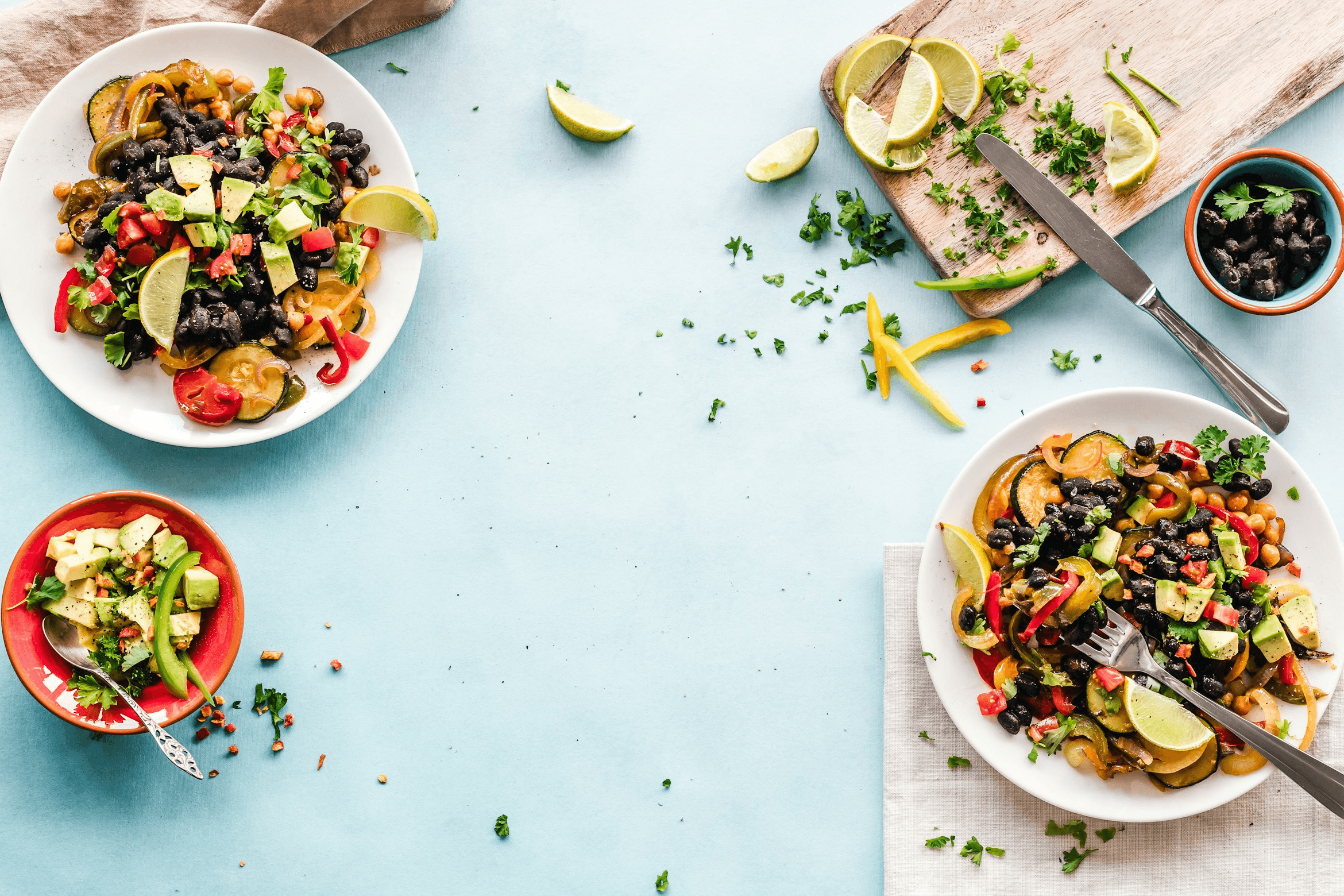
Functional Foods for Everyday Wellness
Explore functional foods designed to support daily nutrition, gut health, immune wellness, energy, brain health, and general wellbeing. Yangseed helps you discover functional food products with clearer ingredient information, wellness-focused categories, and better context before you choose.
Shop Functional Foods
Browse functional foods, wellness-focused snacks, fortified foods, fermented products, protein-rich options, functional beverages, superfood blends, and everyday nutrition products.
Functional Foods
0 items
Sort By
Clear All Filters
No products found.
Try adjusting filters or search.
What Are Functional Foods?
Functional foods are foods or food-based products that provide nutrition and may also support specific wellness goals as part of a balanced diet.
They may include nutrient-rich foods, fortified foods, fermented foods, protein-rich products, fiber-rich foods, functional beverages, superfood blends, and food products made with added wellness-focused ingredients.
Unlike regular foods that are mainly chosen for taste, convenience, or basic nutrition, functional foods are often selected with a specific purpose in mind, such as supporting gut health, daily energy, immune wellness, brain health, or general wellbeing.
Common examples of functional foods :-
Fermented foods
Products such as yogurt, kefir, kimchi, sauerkraut, kombucha, and other fermented options that may be included in gut-friendly eating routines.
Fiber-rich foods
Foods or products containing fiber from sources such as oats, seeds, legumes, fruits, vegetables, or added prebiotic fibers.
Protein-rich foods
Protein bars, protein snacks, nutrition shakes, plant-based protein products, and other food options designed to support daily nutrition.
Functional beverages
Wellness drinks, herbal teas, mushroom drinks, probiotic drinks, hydration blends, and other beverages positioned around functional nutrition.
Superfoods and nutrient-dense foods
Foods such as greens blends, berries, seeds, nuts, cacao, turmeric, matcha, spirulina, and other nutrient-focused ingredients.
Fortified foods
Food products with added vitamins, minerals, fiber, protein, probiotics, or other functional ingredients.
Functional foods can be useful additions to everyday eating routines, but they should not be treated as medical treatments or replacements for a balanced diet, professional care, or guidance from a qualified healthcare provider.
Shop Functional Foods by Wellness Goal
Choosing functional foods becomes easier when you start with the wellness area you want to support. Instead of browsing every product at once, you can explore food-based products based on your daily routine, nutrition preferences, and wellness goals.
Yangseed helps users discover functional foods across key areas such as gut health, immune wellness, brain health, energy support, and general wellbeing.
Explore functional foods by goal
Gut Health Functional Foods
Explore fermented foods, probiotic foods, prebiotic foods, fiber-rich products, and digestive wellness-focused food options that can fit into gut-friendly eating routines.
Brain Health and Focus Foods
Browse nutrient-rich foods, functional beverages, healthy fat sources, antioxidant-rich products, and food-based options positioned around focus, memory, and cognitive wellness support.
Immune Wellness Foods
Discover foods and functional products that may include vitamins, minerals, antioxidants, herbs, mushrooms, elderberry, citrus, or other wellness-focused ingredients commonly used in immune support routines.
Energy and Daily Nutrition Foods
Explore protein snacks, nutrition bars, greens powders, smoothies, functional beverages, hydration blends, and nutrient-dense foods that can support everyday nutrition habits.
General Wellness Functional Foods
Browse food products designed for balanced nutrition, healthier snacking, clean eating routines, and everyday wellness-focused choices.
Functional Foods for Specific Nutrition Goals
Explore products that may fit dietary preferences such as plant-based, vegan, organic, non-GMO, gluten-free, low-sugar, or high-fiber eating patterns.
Functional foods can be useful additions to daily routines, but users should always review nutrition labels, ingredients, allergens, serving size, and product claims before choosing.
Functional Foods vs Regular Foods vs Supplements
Functional foods sit between everyday food choices and more targeted wellness products. They are still food-based, but they are often selected for a specific nutritional purpose, ingredient profile, or wellness goal.
Understanding the difference can help users choose products with more clarity.
Comparison Point | Regular Foods | Functional Foods | Supplements |
|---|---|---|---|
Main purpose | Everyday meals, taste, convenience, and basic nutrition | Food-based products with added wellness or nutrition focus | Concentrated nutrients, herbs, botanicals, or functional ingredients |
Common examples | Fruits, vegetables, grains, snacks, beverages, meals | Fermented foods, fortified foods, protein snacks, functional beverages, greens blends | Vitamins, minerals, probiotics, capsules, powders, tinctures |
How they are used | As part of normal eating habits | As part of meals, snacks, beverages, or wellness routines | Usually taken in measured servings |
Label focus | Nutrition facts and ingredients | Nutrition facts, ingredients, added nutrients, functional claims | Supplement facts, dosage, active ingredients, warnings |
Buying consideration | Taste, nutrition, price, freshness, preference | Nutrition value, ingredient quality, wellness fit, claims, serving size | Dosage, suitability, interactions, quality, professional guidance |
What to remember | Supports daily diet | Can support wellness-focused eating routines | Should not replace food, medical care, or professional advice |
Functional foods should not be treated as quick fixes or medical solutions. They work best when they fit naturally into a balanced diet and realistic daily routine.
How to Choose Functional Foods
With so many functional foods, superfoods, fortified products, nutrition snacks, and wellness beverages available, choosing the right product can feel confusing.
A simple buying approach can help you compare products based on nutrition, ingredients, claims, dietary preferences, and routine fit.
What to check before choosing functional foods
Start with your wellness goal: Decide whether you are looking for gut health, energy, brain wellness, immune support, daily nutrition, or general wellness.
Read the nutrition facts label: Check serving size, calories, protein, fiber, sugar, sodium, fats, vitamins, minerals, and other nutrition details.
Review the ingredient list: Look at the full ingredient list, including added nutrients, sweeteners, preservatives, flavors, colors, oils, allergens, and functional ingredients.
Understand product claims: Terms like functional, superfood, clean, natural, organic, fortified, non-GMO, or immune support should be backed by clear product information.
Check dietary preferences: Review whether the product fits vegan, plant-based, gluten-free, dairy-free, nut-free, low-sugar, organic, or non-GMO preferences where relevant.
Consider routine fit: Choose products you can realistically use as part of meals, snacks, drinks, travel, work, or daily nutrition habits.
Be careful with health conditions: Users managing kidney, thyroid, liver, heart, digestive, metabolic, or other health concerns should consult a qualified healthcare professional before making major dietary changes.
A thoughtful approach can help users choose functional foods that feel practical, understandable, and aligned with their everyday wellness goals.
Functional Foods for Gut Health, Brain Health, Energy, and General Wellness
Many users explore functional foods based on the wellness area they want to support. Some may look for gut-friendly foods, while others may want products for daily energy, immune wellness, brain health, or general nutrition.
The right choice depends on the product's ingredients, nutrition profile, serving size, dietary fit, and how it fits into your daily routine.
Explore functional foods by wellness area
Functional Foods for Gut Health
Gut-focused functional foods may include fermented foods, probiotic foods, prebiotic foods, fiber-rich products, digestive wellness snacks, and nutrition products made with gut-supportive ingredients. When comparing these products, users may want to check fiber content, added sugars, live culture information where available, allergens, and serving guidance.
Functional Foods for Brain Health
Foods positioned around brain health may include nutrient-dense ingredients, healthy fats, antioxidants, protein, vitamins, minerals, or functional blends. Instead of relying only on claims like "brain boosting" or "focus support," users should review nutrition labels, ingredient quality, and product transparency.
Functional Foods for Immune Wellness
Immune-focused functional foods may include ingredients such as vitamin C-rich foods, zinc-containing foods, elderberry, mushrooms, herbs, antioxidants, or nutrient-focused blends. Users should check ingredient amounts, sugar levels, allergens, and whether the product fits their dietary needs.
Functional Foods for Energy and Daily Nutrition
Energy and nutrition-focused foods may include protein bars, greens powders, smoothies, hydration blends, functional snacks, nutrition shakes, and fortified foods. When choosing these products, compare protein, fiber, sugar, sodium, ingredient quality, serving size, and how often you plan to use them.
Functional Foods for General Wellness
General wellness functional foods can support balanced eating patterns, healthier snacking, and more intentional food choices. These products work best when they fit naturally into a realistic daily routine instead of being treated as a quick solution.
Natural, Organic, Non-GMO, and Plant-Based Functional Foods
Many people shopping for functional foods look for products described as natural, organic, non-GMO, plant-based, vegan, clean, gluten-free, or low sugar.
These labels can be helpful, but they should not be the only reason to choose a product. The best approach is to review the full nutrition facts, ingredient list, allergen details, certifications, and brand information before deciding.
Understanding common functional food terms
Natural functional foods
Natural functional foods usually refer to products made with naturally derived ingredients or nature-inspired formulations. Since definitions can vary by brand, users should still review the full ingredient list.
Organic functional foods
Organic functional foods may include certified organic ingredients or organic positioning depending on the product and brand. Users should check certification details where available.
Non-GMO functional foods
Non-GMO functional foods are usually positioned as products made without genetically modified ingredients based on the brand's sourcing standards.
Plant-based functional foods
Plant-based functional foods are typically made with plant-derived ingredients or designed for plant-forward eating patterns.
Vegan functional foods
Vegan functional foods usually do not contain animal-derived ingredients. Users should check labels and certifications where available.
Clean ingredient functional foods
Clean ingredient functional foods often focus on simpler ingredient lists, fewer unnecessary additives, and more transparent formulation choices.
These terms can guide product discovery, but users should still compare nutrition labels, ingredients, serving sizes, added sugars, allergens, and product claims before choosing.
Functional Food Formats and Product Types
Functional foods come in many forms. Some are eaten as snacks, some are added to meals or drinks, and others are used as part of breakfast, workout, travel, or daily nutrition routines.
Understanding product formats can help users choose functional foods that are easier to use consistently.
Common functional food product types
Functional Snacks
Snack bars, protein snacks, seed mixes, nut blends, energy bites, and wellness-focused snacks designed for convenient daily eating.
Functional Beverages
Wellness drinks, herbal teas, hydration drinks, probiotic drinks, mushroom beverages, and functional drink mixes used as part of daily routines.
Fermented Foods
Fermented food products may include live cultures or fermentation-based preparation. Users should check storage guidance, ingredient details, and serving suggestions.
Protein and Nutrition Foods
Protein bars, protein powders, meal blends, nutrition shakes, and functional food mixes designed to support daily nutrition routines.
Greens and Superfood Products
Greens powders, superfood blends, antioxidant mixes, and nutrient-rich food products made with concentrated plant-based ingredients.
Fortified Foods
Food products with added vitamins, minerals, fiber, protein, probiotics, or other functional ingredients.
Meal and Smoothie Add-ins
Powders, seeds, nut butters, fiber blends, and nutrition mixes that can be added to smoothies, oatmeal, yogurt, or other meals.
The best format depends on how you plan to use the product, how often you will use it, and whether it fits your taste, diet, and daily schedule.
How to Build a Functional Food Routine in 5 Simple Steps
A functional food routine should be practical, balanced, and easy to follow. You do not need to replace your entire diet with functional products. A better approach is to add food-based options that fit naturally into your meals, snacks, drinks, and daily lifestyle.
Step 1
Start with your daily eating habits. Look at where functional foods can fit into your existing routine. This may include breakfast, snacks, smoothies, lunch, post-workout nutrition, evening drinks, or travel-friendly food options.
Step 2
Choose one wellness goal at a time. Decide whether you are focusing on gut health, energy, immune wellness, brain health, general nutrition, or another daily wellness goal. Choosing one focus area can make product selection easier.
Step 3
Review the nutrition label. Check serving size, calories, protein, fiber, sugar, sodium, fats, vitamins, minerals, and added nutrients. A functional food should still make sense nutritionally, not just sound beneficial on the front label.
Step 4
Add products gradually. Try one new functional food at a time so you can understand taste, routine fit, tolerance, and value. This also helps avoid buying too many products that do not become part of your regular habits.
Step 5
Keep the routine realistic. The best functional foods are products you can use consistently. Choose options that match your taste, schedule, dietary preferences, budget, and daily needs.
Functional foods can support a wellness-focused lifestyle, but they should not replace a balanced diet, medical care, or professional guidance when needed.
FAQs About Functional Foods
What are functional foods?
Functional foods are foods or food-based products that provide nutrition and may also support specific wellness goals as part of a balanced diet. They may include fermented foods, fortified foods, protein-rich foods, fiber-rich products, functional beverages, superfood blends, and nutrient-focused snacks.
What are examples of functional foods?
Examples may include probiotic drinks, fermented foods, protein bars, greens powders, fortified foods, fiber-rich snacks, mushroom beverages, herbal teas, superfood blends, and nutrition-focused food products.
What functional foods can I find on Yangseed?
Yangseed may feature functional snacks, beverages, fermented foods, protein and nutrition products, greens and superfood blends, fortified foods, smoothie add-ins, and wellness-focused food products.
Are functional foods the same as supplements?
No. Functional foods are food-based products that are usually eaten as part of meals, snacks, or beverages. Supplements are usually taken in measured servings and may contain concentrated nutrients, herbs, botanicals, or functional ingredients.
How do I choose functional foods?
Start with your wellness goal, review the nutrition facts label, check ingredients, compare product claims, consider dietary preferences, and choose products that fit your routine.
What should I check before buying functional foods online?
Check the nutrition facts label, ingredient list, allergens, serving size, sugar content, sodium, added nutrients, certifications where available, product claims, and brand transparency.
What are functional foods for gut health?
Functional foods for gut health may include fermented foods, probiotic foods, prebiotic foods, fiber-rich products, digestive wellness snacks, and food products made with gut-focused ingredients.
What are functional foods for brain health?
Functional foods positioned for brain health may include foods with healthy fats, antioxidants, protein, vitamins, minerals, or nutrient-dense ingredients. Users should review product labels and avoid relying only on broad claims.
What are functional foods for immune wellness?
Immune-focused functional foods may include ingredients such as vitamin C-rich foods, zinc-containing foods, elderberry, mushrooms, herbs, antioxidants, or nutrient-focused blends.
What are functional foods for energy?
Energy-focused functional foods may include protein snacks, nutrition bars, greens powders, smoothies, hydration blends, functional beverages, and nutrient-dense foods that fit daily routines.
Are plant-based functional foods available?
Some functional foods may be plant-based or vegan. Users should review labels, ingredients, and certifications where available to confirm whether a product fits their dietary preferences.
What does non-GMO functional food mean?
Non-GMO functional food usually refers to products positioned as made without genetically modified ingredients, based on the brand's sourcing standards or certifications where available.
Can functional foods replace a healthy diet?
No. Functional foods should not replace a balanced diet, regular meals, medical care, or professional guidance. They are best used as part of an overall wellness-focused eating routine.
Should I speak to a professional before using functional foods for a health condition?
Yes. Users managing kidney, thyroid, liver, heart, digestive, metabolic, or other health concerns should speak with a qualified healthcare professional before making major dietary changes.